| CVE |
Vendors |
Products |
Updated |
CVSS v3.1 |
| A vulnerability was found in ESAFENET CDG V5. It has been rated as critical. Affected by this issue is some unknown functionality of the file /content_top.jsp. The manipulation of the argument id leads to sql injection. The attack may be launched remotely. The exploit has been disclosed to the public and may be used. The vendor was contacted early about this disclosure but did not respond in any way. |
| A vulnerability was found in ESAFENET CDG V5. It has been classified as critical. Affected is an unknown function of the file /appDetail.jsp. The manipulation of the argument flowId leads to sql injection. It is possible to launch the attack remotely. The exploit has been disclosed to the public and may be used. The vendor was contacted early about this disclosure but did not respond in any way. |
| A vulnerability was found in ESAFENET CDG V5 and classified as problematic. This issue affects some unknown processing of the file /SysConfig.jsp. The manipulation of the argument help leads to cross site scripting. The attack may be initiated remotely. The exploit has been disclosed to the public and may be used. The vendor was contacted early about this disclosure but did not respond in any way. |
| A vulnerability was found in ESAFENET CDG V5. It has been rated as critical. Affected by this issue is some unknown functionality of the file /MultiServerBackService?path=1. The manipulation of the argument fileId leads to sql injection. The attack may be launched remotely. The exploit has been disclosed to the public and may be used. The vendor was contacted early about this disclosure but did not respond in any way. |
| A vulnerability, which was classified as critical, has been found in PHPGurukul Online Fire Reporting System 1.2. Affected by this issue is some unknown functionality of the file /admin/search.php. The manipulation of the argument searchdata leads to sql injection. The attack may be launched remotely. The exploit has been disclosed to the public and may be used. |
| A vulnerability was found in PCMan FTP Server 2.0.7. It has been rated as critical. This issue affects some unknown processing of the component ENC Command Handler. The manipulation leads to buffer overflow. The attack may be initiated remotely. The exploit has been disclosed to the public and may be used. |
| A vulnerability was found in PCMan FTP Server 2.0.7. It has been declared as critical. This vulnerability affects unknown code of the component CONF Command Handler. The manipulation leads to buffer overflow. The attack can be initiated remotely. The exploit has been disclosed to the public and may be used. |
| A vulnerability was found in PCMan FTP Server 2.0.7. It has been classified as critical. This affects an unknown part of the component CDUP Command Handler. The manipulation leads to buffer overflow. It is possible to initiate the attack remotely. The exploit has been disclosed to the public and may be used. |
| A vulnerability has been found in PCMan FTP Server 2.0.7 and classified as critical. Affected by this vulnerability is an unknown functionality of the component SITE CHMOD Command Handler. The manipulation leads to buffer overflow. The attack can be launched remotely. The exploit has been disclosed to the public and may be used. |
| A vulnerability, which was classified as critical, was found in PCMan FTP Server 2.0.7. Affected is an unknown function of the component MKDIR Command Handler. The manipulation leads to buffer overflow. It is possible to launch the attack remotely. The exploit has been disclosed to the public and may be used. |
| A vulnerability was found in code-projects Simple Banking System up to 1.0. It has been rated as critical. This issue affects some unknown processing of the component Sign In. The manipulation of the argument password2 leads to buffer overflow. Attacking locally is a requirement. The exploit has been disclosed to the public and may be used. |
| In JetBrains TeamCity before 2024.12.2 improper Kubernetes connection settings could expose sensitive resources |
| In JetBrains TeamCity before 2024.12.2 several DOM-based XSS were possible on the Code Inspection Report tab |
| In JetBrains TeamCity before 2025.03 base64 encoded password could be exposed in build log |
| In JetBrains TeamCity before 2025.03 stored XSS was possible on Cloud Profiles page |
| In JetBrains TeamCity before 2025.03 exception could lead to credential leakage on Cloud Profiles page |
| In JetBrains TeamCity before 2025.03.1 base64-encoded credentials could be exposed in build logs |
| In JetBrains TeamCity before 2025.03.1 improper path validation in loggingPreset parameter was possible |
| In JetBrains TeamCity before 2025.03.1 stored XSS was possible on Data Directory tab |
| ### Summary
On all Label Studio versions prior to 1.11.0, data imported via file upload feature is not properly sanitized prior to being rendered within a [`Choices`](https://labelstud.io/tags/choices) or [`Labels`](https://labelstud.io/tags/labels) tag, resulting in an XSS vulnerability.
### Details
Need permission to use the "data import" function. This was reproduced on Label Studio 1.10.1.
### PoC
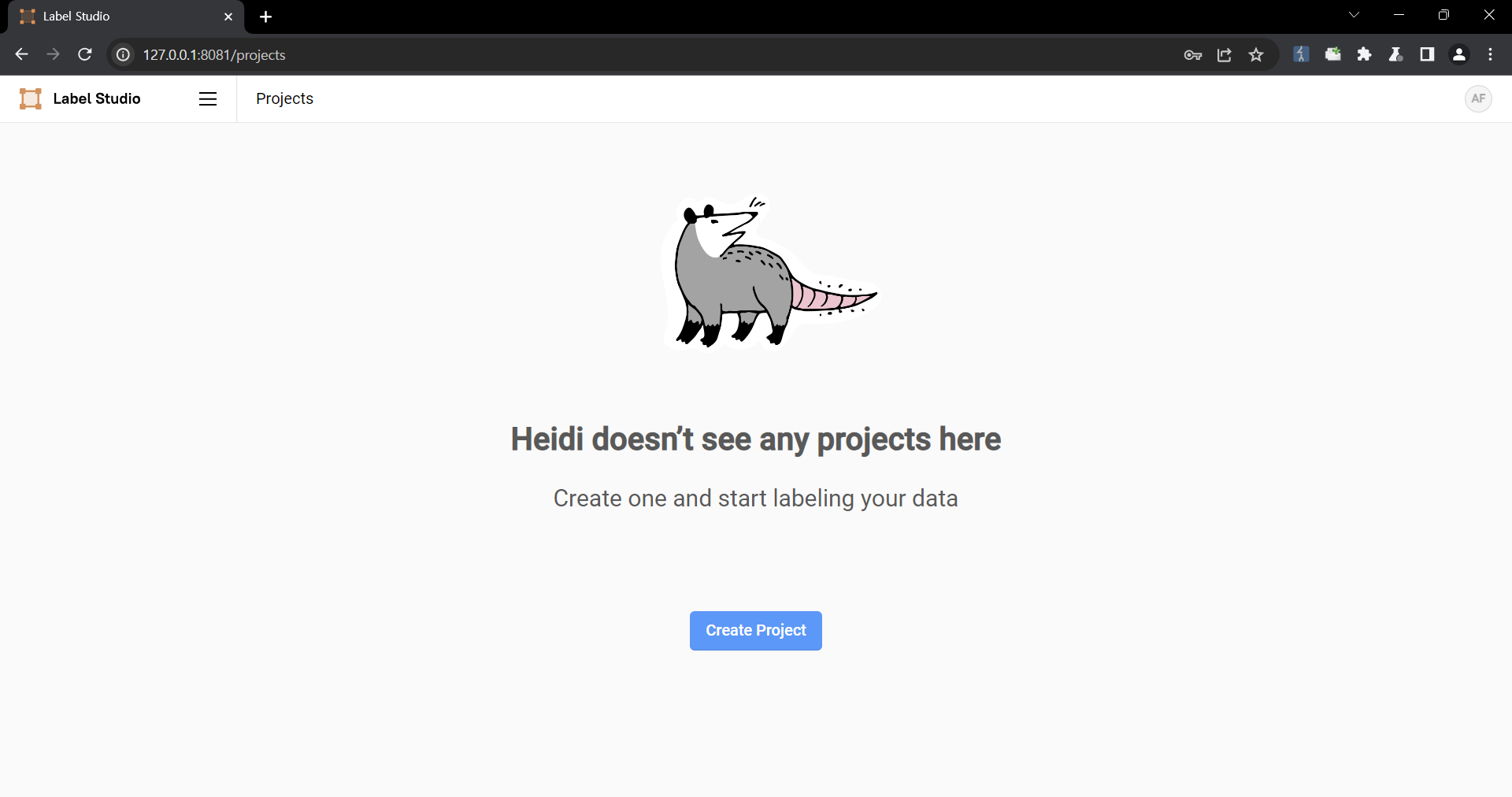
1. Create a project.
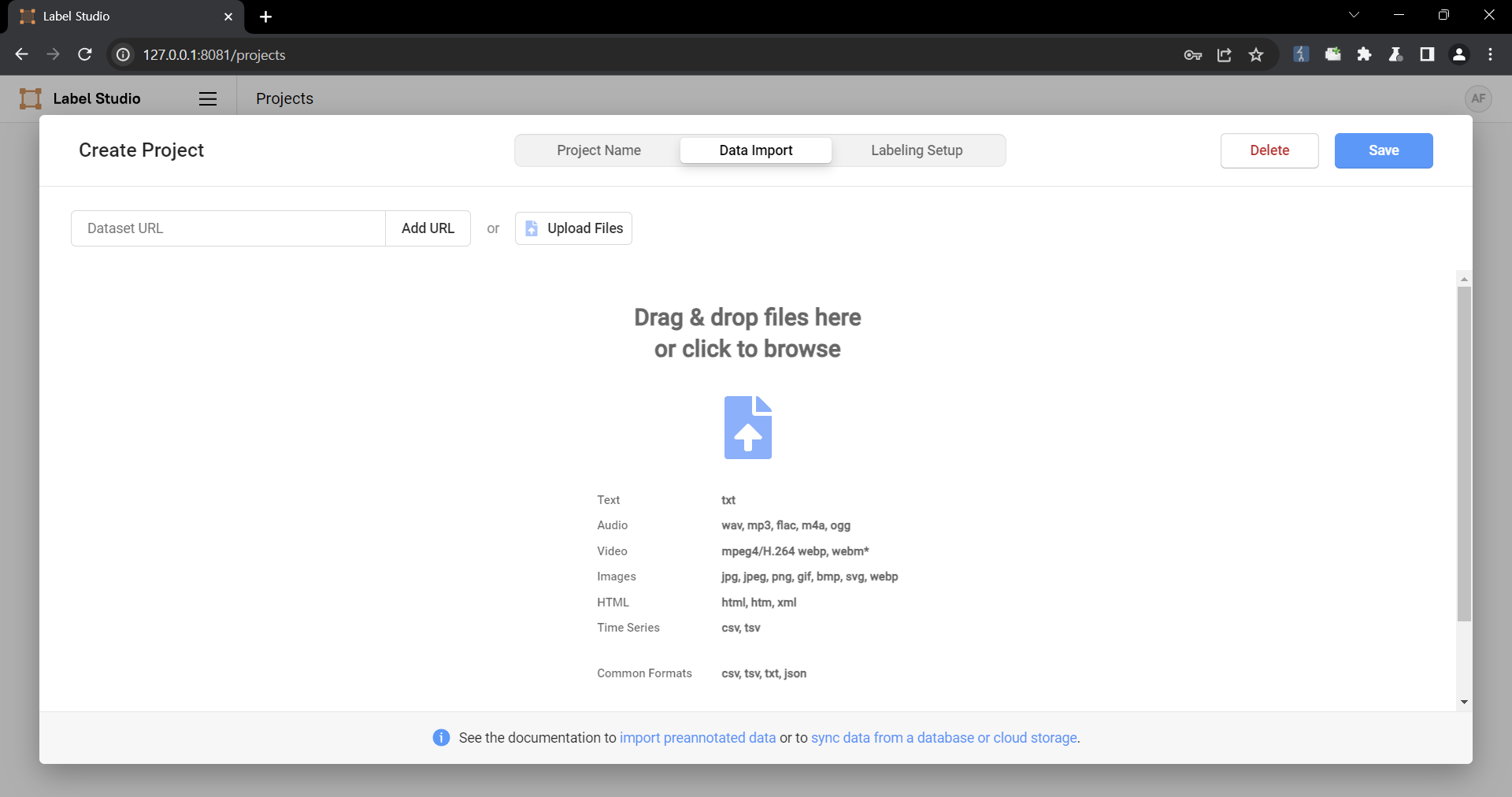
2. Upload a file containing the payload using the "Upload Files" function.
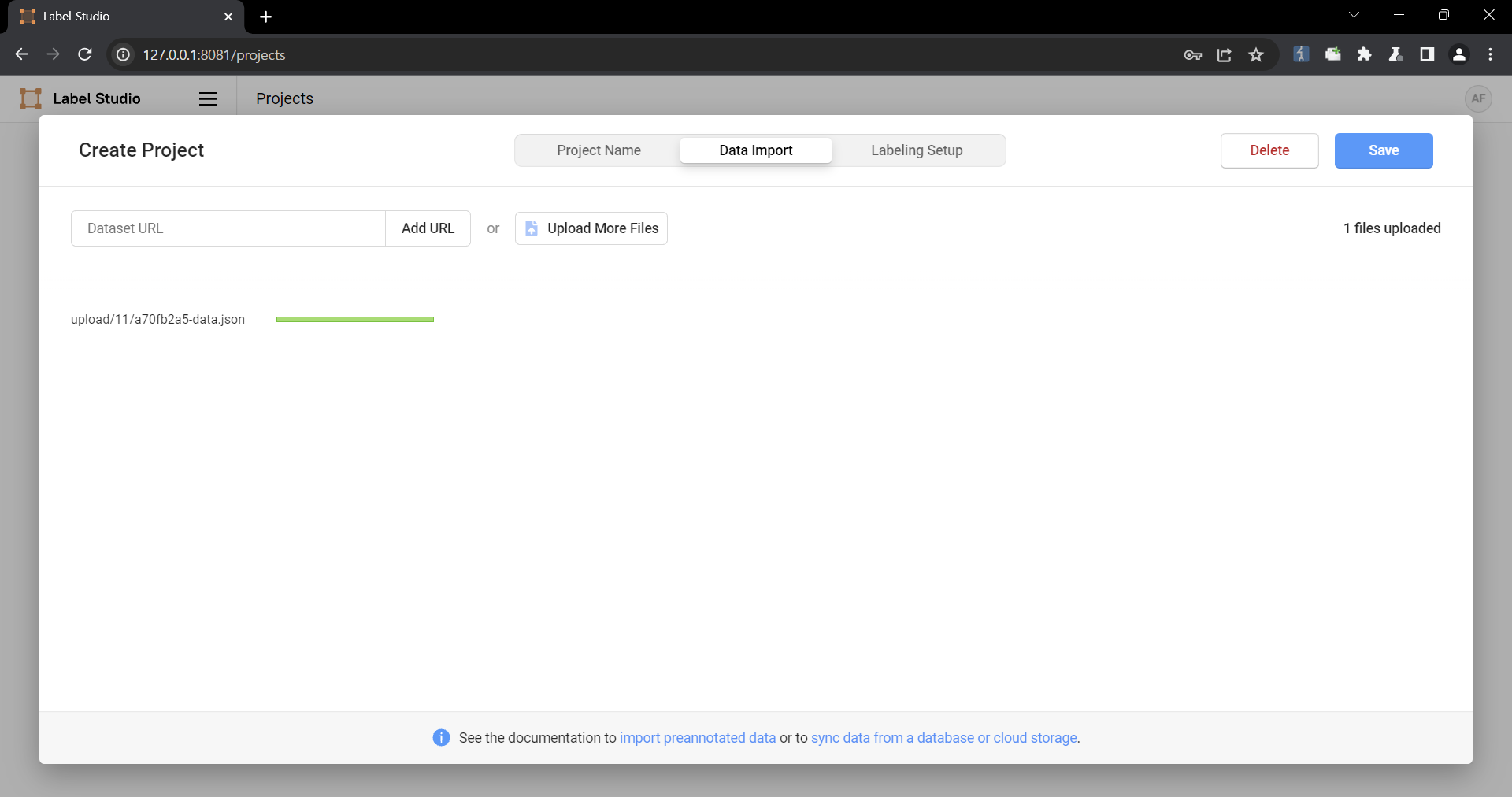
The following are the contents of the files used in the PoC
```
{
"data": {
"prompt": "labelstudio universe image",
"images": [
{
"value": "id123#0",
"style": "margin: 5px",
"html": "<img width='400' src='https://labelstud.io/_astro/images-tab.64279c16_ZaBSvC.avif' onload=alert(document.cookie)>"
}
]
}
}
```
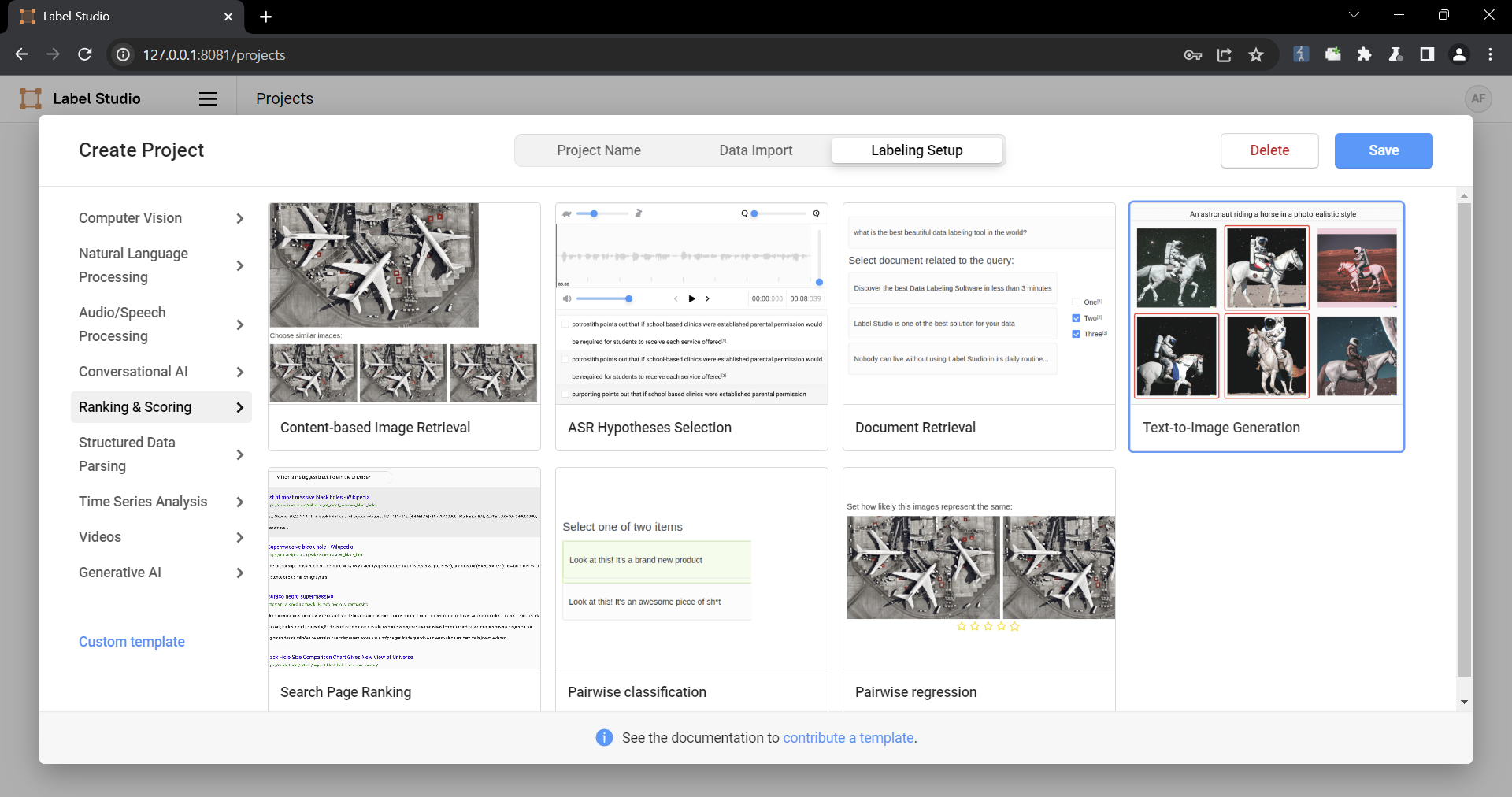
3. Select the text-to-image generation labeling template of Ranking and scoring
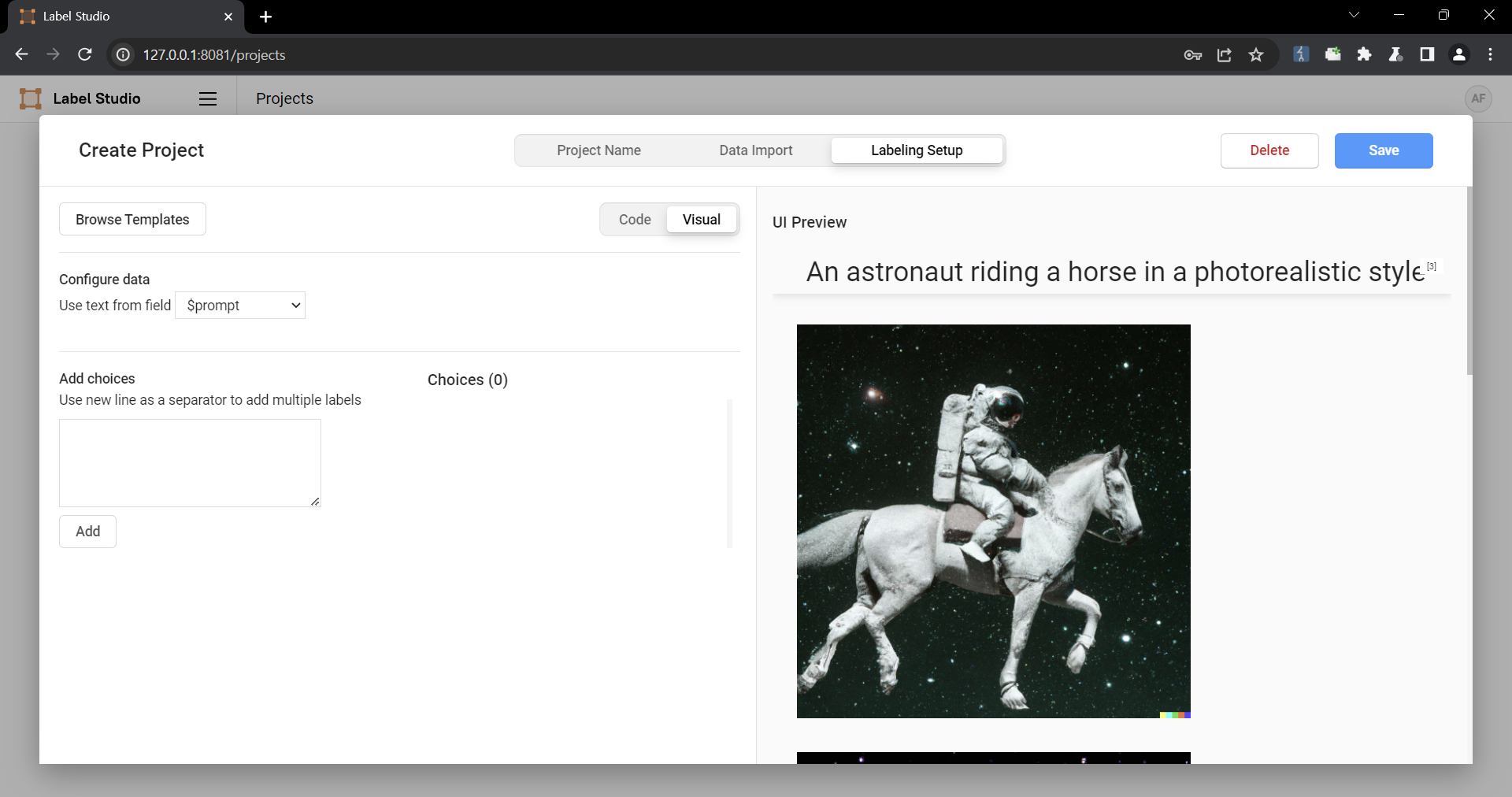
4. Select a task
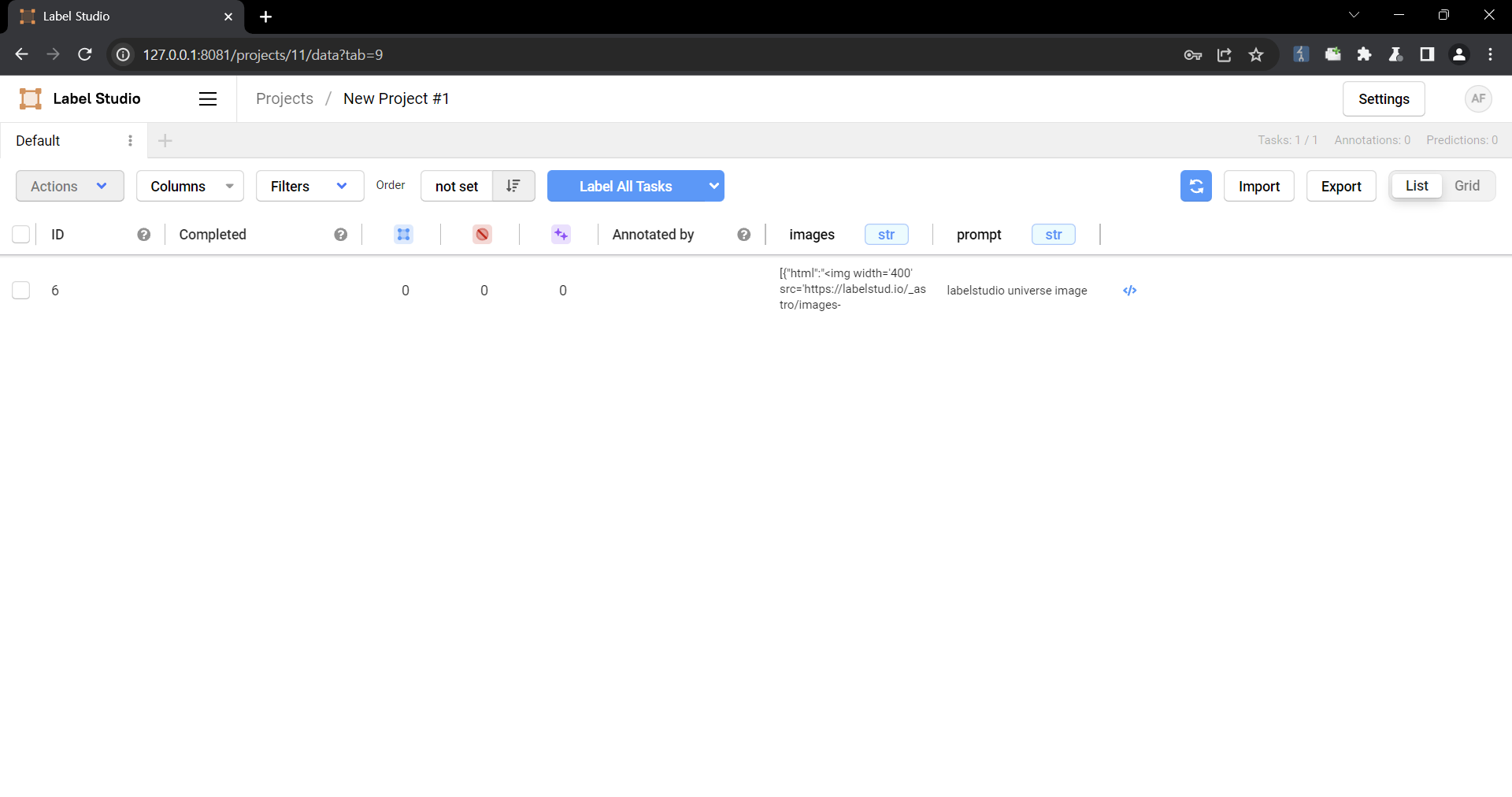
5. Check that the script is running
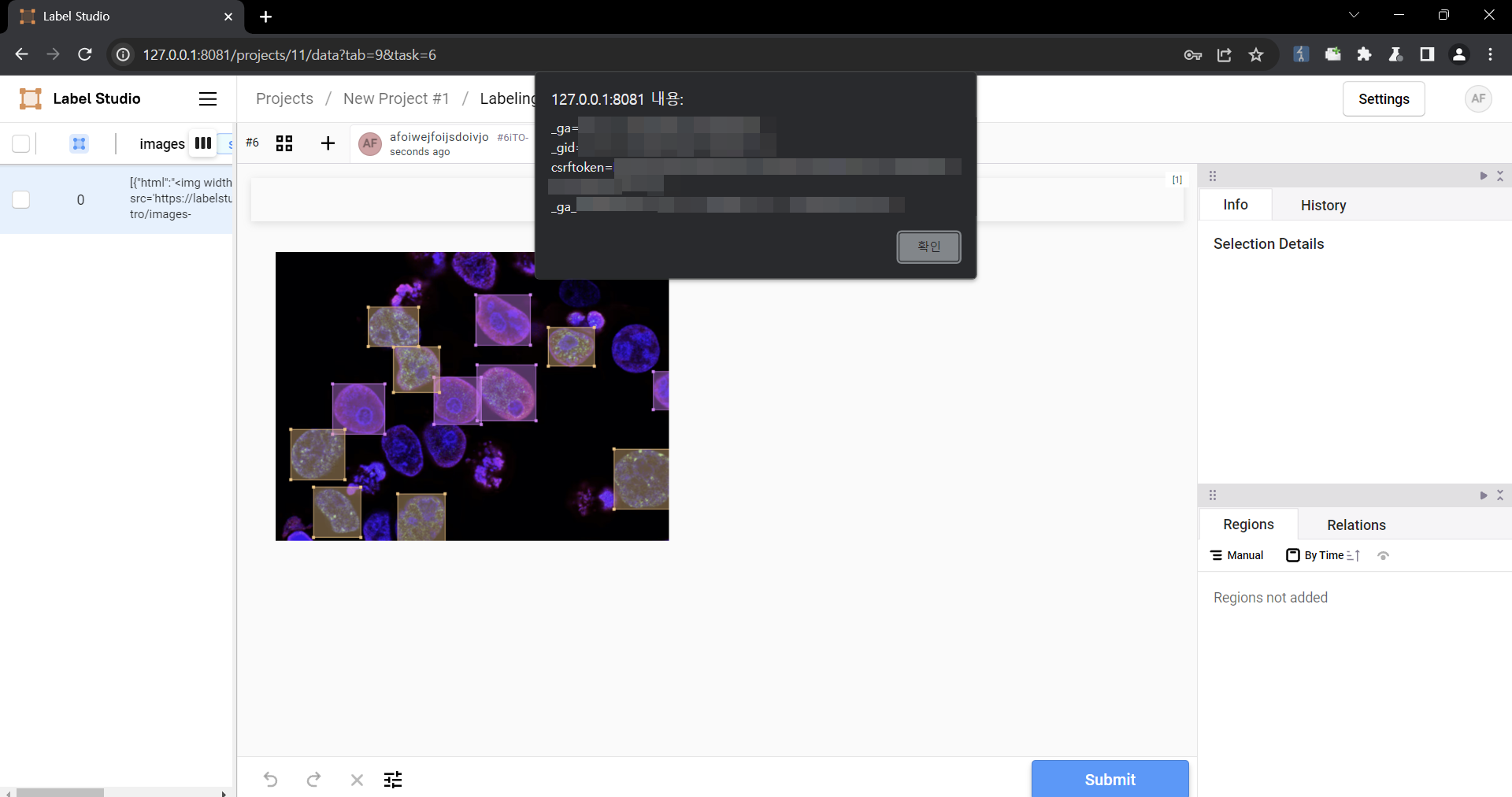
### Impact
Malicious scripts can be injected into the code, and when linked with vulnerabilities such as CSRF, it can cause even greater damage. In particular, It can become a source of further attacks, especially when linked to social engineering.
|
